Commercial Moves in Swiss Cottage
Planning a business relocation can feel like a balancing act: keep customers served, protect equipment, manage staff, and avoid disruption to everyday operations. If you are looking for Commercial Moves in Swiss Cottage, you probably need a local team that understands tight schedules, busy streets, mixed-use buildings, and the practical challenges that come with moving offices, retail units, studios, and professional practices in and around this part of North West London.
Swiss Cottage is a location where time, access, and coordination matter. The area brings together modern office spaces, apartment buildings with commercial units, specialist practices, co-working environments, and nearby business districts that connect quickly to Camden, Hampstead, South Hampstead, West Hampstead, Belsize Park, and St John’s Wood. That mix means every move is different. A good commercial relocation service needs to adapt to building rules, loading restrictions, lift access, item sensitivity, and the realities of working in a busy urban area.
Whether you are relocating a small office, moving stock from a shop, transferring a clinic, or shifting a whole department, the right support can reduce downtime and make the process feel more manageable. Below, you will find a customer-focused look at what commercial moving services typically include, what affects the move, how to prepare, and why using a local team for commercial moves Swiss Cottage can be a practical choice for your business.
Why Commercial Moves in Swiss Cottage Need Careful Planning

Commercial relocations are rarely just about carrying furniture from one place to another. They involve schedules, access planning, inventory, dismantling, packing, transportation, reassembly, and often a very small window in which everything must happen. In Swiss Cottage, those demands are amplified by the pace of local traffic, the variety of property types, and the fact that many businesses rely on continued customer service with minimal interruption.
Offices near the Finchley Road corridor may need early morning or evening moves to avoid affecting staff and visitors. Retail businesses may have to protect shelving, displays, stock, and point-of-sale equipment while keeping the unit secure. Professional practices, such as consultancies, design studios, and clinics, often need more careful handling because documents, specialist devices, and confidential materials require added attention. A tailored approach matters because no two businesses have the same operational needs.
In practice, the best relocation support is the kind that helps you stay organised before moving day even starts. That means planning around access points, identifying fragile or high-value items, and deciding what should be moved, stored, recycled, or disposed of. It also means making sure the move fits around local constraints such as shared entrances, residential neighbours, parking bays, and building management requirements. Local knowledge is not a luxury here; it is often what keeps the whole process efficient.
What We Mean by a Commercial Move

A commercial move covers any relocation where the main priority is keeping a business functioning smoothly. That can include offices, shops, hospitality venues, schools, workshops, medical or therapeutic practices, and shared workspaces. It can also include internal moves, where departments are reorganised within the same building or across nearby premises.
When customers ask about commercial removals in Swiss Cottage, they are often looking for a service that can handle a mix of items and a tight turnaround. Typical items might include desks, chairs, filing cabinets, IT equipment, archive boxes, retail fixtures, stock, server units, printers, shelving, display stands, artwork, paperwork, and specialist tools. Some businesses also need help with packaging, labelling, and asset management before the move begins.
Commercial relocation is different from domestic moving because business items are usually tied to workflow, compliance, and productivity. A single missing cable or misplaced box can interrupt a department or delay opening. That is why a structured, organised approach is so important. The right team should be able to work methodically, respect your space, and help you keep track of what goes where.
Types of Businesses We Commonly Support

Swiss Cottage and the surrounding neighbourhoods include a wide range of business types, and each one brings different moving needs. Offices often require disassembly and reassembly of furniture, along with safe transport for screens, laptops, printers, and filing systems. Retail spaces need a focus on stock handling, display fixtures, and the protection of fragile items. Clinics and professional practices may need extra care with confidential records, specialised equipment, and clean, organised packing.
Businesses in nearby areas such as Hampstead, Belsize Park, Camden, Finchley Road, South Hampstead, and West Hampstead may face similar challenges. The built environment is a mix of residential streets, busy main roads, and multi-occupancy buildings, which often means restricted loading, timed access, stairwells, or lift reservations. A local company familiar with the area can anticipate these issues rather than being surprised by them.
We also see requests from creative studios, agencies, small warehouses, training rooms, and hospitality venues. These businesses may have unique items such as production equipment, samples, props, racks, or fragile fixtures that need individual handling. In each case, the move is best managed with a plan that reflects both the property and the work being done inside it.
Examples of commercial relocations
Some of the most common local requests include:
- Small and medium office relocations
- Shop and showroom moves
- Professional practice transfers
- Studio and creative workspace moves
- Internal office reconfigurations
- Archive and document transfers
- Furniture and equipment relocation
- Combined packing, moving, and reassembly support
How a Commercial Move in Swiss Cottage Usually Works

A clear process helps reduce stress and make the move easier for your team. While each project is different, most commercial removals follow a similar structure designed to protect your business and keep the relocation on schedule. From the first conversation to the final placement of items, the aim should be efficiency without cutting corners.
Step 1: Initial discussion. You explain what needs moving, the size of the premises, any access concerns, and the preferred timeline. This is where it becomes clear whether the job is a simple office transfer or a more complex relocation involving multiple floors, specialist equipment, or phased moving.
Step 2: Planning and inventory. A sensible move starts with a room-by-room or department-by-department plan. The team may help identify what is being moved, what needs packing, and what can be dismantled in advance. This is also where labelling, floor plans, and sequencing are considered so everything arrives in the correct area.
Step 3: Preparation and packing. Depending on the service you choose, packing materials may be supplied and items may be wrapped, boxed, bagged, or protected for transport. This stage is especially important for IT, documents, glass surfaces, artwork, and anything easily damaged during lifting or transit.
Step 4: Moving day. On the day, the team works through the agreed plan, managing loading, transport, and delivery with care. Good coordination is essential in Swiss Cottage because access can be affected by traffic flow, building schedules, and limited space for loading vehicles.
Step 5: Placement and reassembly. Once items are delivered, furniture may be reassembled and placed according to your layout plan. This helps staff get back to work faster and avoids the confusion that can happen when items are left in the wrong rooms or corridors.
What Is Included in a Commercial Moving Service?
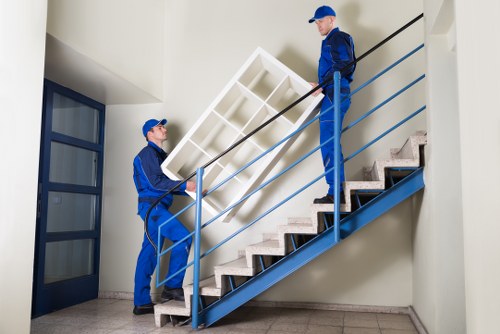
The exact service package varies depending on your business needs, but a good local mover should be able to offer a practical mix of support. The goal is to take pressure off your team while making sure everything is handled in a logical, safe, and orderly way. For many customers, the most valuable part of the service is not only transport, but the planning and coordination around it.
Common inclusions may involve:
- Site assessment and move planning
- Packing materials and protective wrapping
- Disassembly and reassembly of office furniture
- Careful handling of IT and office equipment
- Loading, transport, and unloading
- Labelling and item organisation
- Help with archives, storage boxes, and files
- Placement of furniture and equipment in the new premises
- Optional out-of-hours or phased moving support
Some businesses only need transport. Others want a more hands-on relocation partner who can assist with the full move from start to finish. If you are comparing services, it helps to ask exactly what is included, how items are protected, and whether there is support for dismantling, packing, and reinstating workstations. Clarity early on saves time later.
It is also worth checking whether the mover can adjust to building rules. In Swiss Cottage and nearby districts, commercial buildings and mixed-use properties may have specific instructions about lift booking, loading arrangements, noise, or access times. A local service with experience in the area is more likely to work within those requirements smoothly.
Preparing Your Business for the Move
Preparation is one of the biggest factors in a smooth relocation. Even the most organised moving team can only work effectively if the business itself has taken time to sort priorities and communicate clearly. Good preparation does not mean doing everything yourself; it means creating the right conditions for a safe and efficient move.
Start by identifying what must be moved, what can be stored separately, and what is no longer needed. Many businesses use a relocation as an opportunity to reduce clutter, archive old files, and retire outdated furniture or equipment. This can make the move easier and help the new space feel more organised from day one.
It also helps to notify staff about the move plan in advance. Team members should know when to pack personal items, back up digital work, label desks or equipment, and avoid leaving loose paperwork at the last minute. If the business has clients or customers visiting the premises, consider how the move will affect appointments, opening hours, and reception arrangements.
Preparation checklist for business owners
- Create a list of items to move, store, or discard.
- Back up important digital files and secure confidential data.
- Label desks, boxes, and equipment by room or department.
- Notify staff of key dates, packing deadlines, and access changes.
- Check building rules, lift bookings, and loading arrangements.
- Protect fragile items and remove loose contents from drawers.
- Set aside essentials needed for the first day in the new premises.
- Arrange any required parking or access permissions in advance.
Tip: If you are moving a business that depends on walk-in customers, consider a phased relocation or weekend move. This can help reduce disruption and allow you to stay open for as long as possible during the transition.
Access, Parking, and Building Challenges in Swiss Cottage
One of the main reasons people choose a local mover for Commercial Moves in Swiss Cottage is the practical advantage of understanding the area. This part of London can present access issues that are easy to underestimate if you are not familiar with local roads, traffic patterns, and building layouts. What looks straightforward on a map can become more complicated on the ground.
Parking is often a major consideration. Business premises may have limited loading space, shared access with residents, or restrictions that require careful scheduling. If your building sits on or near a busy road, stopping time may need to be minimised. In some properties, service lifts or internal routes must be booked ahead, and certain deliveries may only be accepted in specific time windows. These are exactly the kinds of details that can affect a move day.
Commercial properties in Swiss Cottage also vary widely. You might be in a modern office building, a converted terrace, a ground-floor retail unit, or a mixed-use block with apartments above. Each one brings different conditions for moving furniture and equipment. Tight staircases, narrow corridors, shared entrances, and protected floors all need to be respected. The more familiar the moving team is with these conditions, the more likely the day is to run without avoidable delays.
Why local experience matters
A local team is often better placed to anticipate the timing, access, and traffic issues that affect business moves in the area. That can make a real difference when your relocation needs to happen quickly or outside normal hours.
It also helps when the mover understands how to work around neighbouring streets such as those leading towards Hampstead, Belsize Park, Camden, and West Hampstead. Routes, parking options, and loading plans can all be chosen with local conditions in mind, which improves efficiency and lowers stress for everyone involved.
Commercial Property Types Commonly Moved Locally
Swiss Cottage is home to a broad mix of commercial spaces, and each type comes with its own moving priorities. Offices typically focus on furniture, IT, and records. Shops and showrooms rely on display protection, stock management, and careful handling of fixtures. Clinics and consultation rooms may need special attention for privacy, hygiene, and equipment safety. Creative spaces often require flexibility because of unusual items or bulky materials.
There is also a growing need for moves involving hybrid spaces, where a business may use part of a building as a studio, office, and meeting area all at once. These moves can involve a blend of domestic and commercial-style items, which means the moving plan needs to be tailored rather than generic. A strong service should adapt to the property you have now and the one you are moving into.
In many cases, the move is not only about getting from A to B but also about setting the business up to function immediately on arrival. That may involve arranging desks by team, making sure storage is accessible, or placing reception furniture in the right order. A well-planned setup helps staff settle in faster and creates a more professional first impression for customers and visitors.
Common items requiring special handling
- Computer monitors, towers, and laptops
- Servers, networking gear, and cabling
- Archival files and confidential records
- Glass desks, cabinets, and display units
- Retail stock and shelving systems
- Printers, scanners, and office machines
- Artwork, samples, and branded materials
- Reception furniture and meeting room sets
Pricing Factors for Commercial Moves
Customers often want to know what affects the cost of a business relocation. While exact pricing depends on the details of the job, there are several common factors that usually shape the quotation. Understanding them in advance makes it easier to compare services fairly and choose the right level of support for your company.
Key pricing factors can include the size of the move, the number of items, the distance between premises, the complexity of access, and whether the move needs to happen outside standard hours. Packing assistance, dismantling and reassembly, storage needs, and specialist handling can also affect the overall scope of the project.
Location matters too. A move within Swiss Cottage may be more straightforward than a relocation involving several boroughs, but local access challenges can still influence planning time and labour requirements. The most useful quote is the one that reflects the real nature of your move, not just a rough guess based on floor space. If you are requesting a quote, be ready to share as much detail as possible so the proposed service matches your needs properly.
What to mention when requesting a quote
It is helpful to include the following:
- Current and new property type
- Approximate number of rooms or workstations
- Any heavy, fragile, or specialist items
- Building access details and parking limitations
- Preferred moving dates and time windows
- Whether packing or dismantling is needed
- Any storage, disposal, or phased move requirements
Why Choose a Local Company for Commercial Moves in Swiss Cottage
Using a local company can make a real difference to the quality of your move. A team that regularly works in Swiss Cottage and nearby areas is likely to understand the rhythm of local traffic, the types of buildings involved, and the practical expectations of property managers and business owners. That familiarity can save time and reduce the risk of avoidable complications.
Local services can also be more responsive when your timetable changes. Businesses often need to shift plans at short notice, especially when lease dates, fit-out work, or staff availability changes. A nearby mover may be better placed to adapt, re-plan, or schedule a move in stages. For companies with limited downtime, that flexibility is valuable.
There is also the benefit of a more personal, practical service. Rather than offering a one-size-fits-all approach, a local team can account for the exact kind of premises you are using and the way your business operates. Whether you need a calm, discreet move for a professional practice or a fast, coordinated transfer for a retail or office setup, local experience helps shape a better outcome.
Benefits customers often look for
Faster coordination, clearer planning, and fewer surprises. Those are the practical benefits that matter most when you are relocating a business in an active part of London. The right mover should help you reduce disruption, protect your assets, and get back to work as quickly as possible.
Areas Covered Around Swiss Cottage
Many commercial customers in Swiss Cottage also need movement support across nearby neighbourhoods, especially when a business has multiple branches, storage locations, or temporary office space. A local team can often serve a wider part of North West London while still keeping the same level of planning and care.
Areas commonly connected with Swiss Cottage business moves include:
- Hampstead
- Belsize Park
- West Hampstead
- South Hampstead
- Camden
- St John’s Wood
- Finchley Road corridor locations
- Nearby parts of north and central London
If your business is moving between any of these locations, it is useful to work with a mover who understands local routes and can keep the process organised across both the old and new premises. That is especially true for companies that need a staged relocation or have items arriving at different times.
How to Keep Business Downtime to a Minimum
Most commercial customers are not only concerned about moving things safely; they are also trying to protect trading time. Reducing downtime is often the biggest priority. The best way to do that is to treat the move as an operational project rather than a last-minute logistics task.
One effective approach is to divide the relocation into phases. For example, non-essential items can be moved first, followed by workstations, and then the core operational equipment close to the final move date. In some cases, weekends, evenings, or quieter trading periods are the most practical time to move. The aim is to ensure that the transition feels controlled rather than rushed.
It also helps to prepare the new location before moving day. If furniture placement is already planned and the necessary access arrangements are confirmed, staff can begin working sooner. When the team arrives, they should be able to identify where each item belongs without confusion. This is one of the main reasons customers appreciate a structured commercial removal service: it supports the business beyond transport alone.
Frequently Asked Questions
How far in advance should I book a commercial move?
As early as possible is usually best, especially if you need a specific date, out-of-hours work, or a phased relocation. Early booking allows more time for planning, access checks, and staff preparation.
Can you move offices without interrupting the whole working week?
Yes, many businesses arrange evening, weekend, or phased moves to reduce disruption. The most suitable option depends on your premises, your team, and how quickly you need to resume work.
Do you handle fragile items and IT equipment?
Most commercial moves involve fragile or sensitive items in some form. Good handling, proper packing, labelling, and careful loading are essential for monitors, servers, printers, and other equipment that needs extra protection.
What if my building has limited access or no easy parking?
That is very common in Swiss Cottage and nearby areas. A local mover should plan around access restrictions, loading zones, lift use, and other building-specific requirements to keep the move moving efficiently.
Can you help with packing and dismantling?
Yes, many businesses prefer support with packing desks, files, fixtures, and furniture. Dismantling and reassembly can also save time and reduce the risk of damage during transport.
Is a site visit always necessary?
Not always, but it can be helpful for larger or more complex jobs. A site assessment can clarify the scale of the move, identify access issues, and make the quotation and planning more accurate.
What should I do with old office furniture or equipment?
If you no longer need certain items, it is sensible to decide early whether they will be reused, stored, donated, recycled, or removed. Sorting this out before moving day makes the job simpler and can reduce unnecessary transport.
Ready to Plan Your Move?
If you are organising a workplace relocation and need Commercial Moves in Swiss Cottage, the best next step is to start the conversation early. A well-planned move can protect your equipment, reduce downtime, and make the transition smoother for staff and customers alike. Whether you are moving a small office, a retail unit, or a larger commercial space, a local, experienced team can help you approach the move with confidence.
Contact us today to discuss your requirements, request a free quote, or book your service now if your move date is already approaching. The more detail you can share, the easier it is to build a move plan that suits your business, your building, and your schedule.
For businesses in Swiss Cottage, a practical relocation partner is not just useful on moving day — it can make the whole process feel organised from the very beginning.