Removals near Swiss Cottage tube station
Posted on 27/07/2026
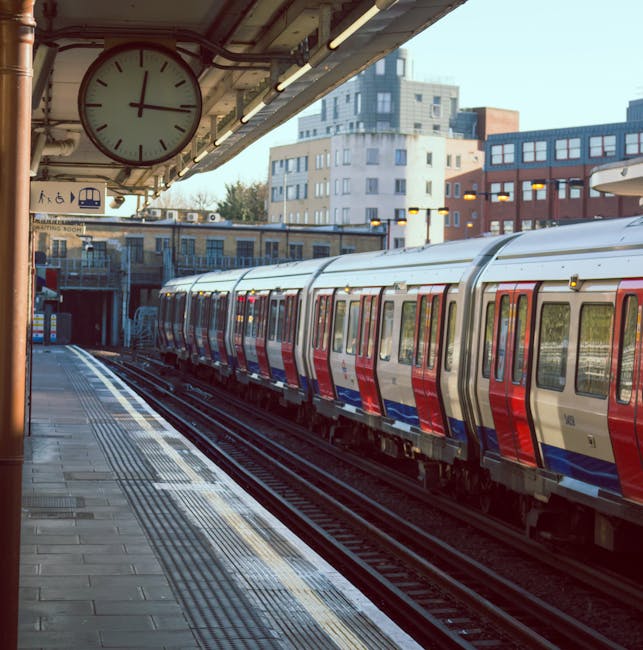
Removals near Swiss Cottage tube station: a practical local guide for a smoother move
If you are planning Removals near Swiss Cottage tube station, you are probably juggling more than boxes. There is the station traffic, the narrow residential roads, lift access in flats, time windows, parking, and the simple fact that moving day can turn messy fast if the details are not nailed down. In Swiss Cottage, a good move is rarely about speed alone; it is about timing, local knowledge, and having the right team on the ground.
This guide breaks down how local removals work, what to expect, how to avoid common headaches, and when different service types make sense. Whether you are moving out of a compact flat, shifting a family home, or arranging an office move nearby, you will find clear, practical advice here. And yes, we will keep it human. Moving is stressful enough already.
Why Removals near Swiss Cottage tube station Matters
Swiss Cottage sits in a busy part of North West London, and that matters more than people sometimes realise. A move here is not just about transporting furniture from A to B. It is about dealing with a neighbourhood where access can be tight, roads can get busy at the wrong moment, and building layouts vary from modern apartments to older mansion blocks and converted flats. That mix is exactly why local experience counts.
When a removals team knows the area, they tend to plan better from the outset. They are more likely to think about loading points, front-door access, parking constraints, lift availability, and the way foot traffic near the station can affect arrival times. A five-minute delay can be nothing in one part of town and a real nuisance here, especially if you have a lift booking or a building manager waiting on the other side.
There is also a simple comfort factor. People moving near a transport hub often want a service that feels organised and calm, not rushed. You want to know where the vehicle is stopping, how long loading should take, and whether the crew can handle awkward items without turning your hallway into a battlefield. Let's face it, nobody wants moving day to become a minor disaster with cardboard in the rain.
For many local residents, Swiss Cottage is tied to wider life changes too: a flat upgrade, a first London home, a family move, or a job change that makes staying put unrealistic. If you are thinking about the broader area context, the company's local articles on Swiss Cottage living advice and real estate insight for Swiss Cottage can help you understand the neighbourhood before you commit to a move.
Expert takeaway: In a place like Swiss Cottage, the best removals service is not just the one with a van. It is the one that understands access, timing, and how local conditions affect the whole day.
How Removals near Swiss Cottage tube station Works
Most local removal jobs follow a straightforward pattern, but the quality of the outcome depends on the planning around it. A typical job starts with an enquiry and a discussion about what needs moving, from where, to where, and under what conditions. That sounds obvious, but the detail matters. A studio flat with no lift is a very different job from a two-bed apartment with parking outside. The more accurate the information, the smoother the move usually is.
For a standard local move, the process generally looks like this:
- Initial assessment: You explain what needs moving, when you need it done, and whether you have any bulky or fragile items.
- Vehicle and crew selection: The right vehicle size and team are matched to the job. A small load might suit a man and van service, while a larger home move may call for a fuller removals setup.
- Access planning: The team checks loading access, parking, stairs, lifts, and building restrictions.
- Packing and protection: Boxes, blankets, covers, and wrapping materials are used to protect items and surfaces.
- Loading and transport: Items are carried out carefully, secured in the vehicle, and delivered to the destination.
- Unloading and placement: Furniture and boxes are placed where you want them, not just dumped in the nearest room. A small detail, but it saves a lot of lifting later.
Depending on the circumstances, you may also need extras such as dismantling and reassembly, temporary storage, or specialist handling for delicate items. If you are in a hurry, same-day or short-notice support can sometimes be arranged through same-day removals in Swiss Cottage.
For apartment-based moves, the right planning is especially important. The logistics of stairwells, narrow entrances, and building access often shape the day more than the distance itself. That is why services like flat removals in Swiss Cottage are often designed around local housing realities rather than generic move templates.
Key Benefits and Practical Advantages
Choosing a removals provider close to Swiss Cottage tube station has a few real-world benefits that go beyond convenience. The most obvious one is local response time. If the crew already works in the area, they are more likely to understand routes, timing, and the quirks of nearby streets. That can help keep the whole day on schedule.
Another benefit is better service fit. Not every move needs a huge lorry and a large team. Sometimes a compact vehicle and a careful two-person crew are perfect. In other cases, especially for larger homes or business relocations, you need a more structured service with multiple hands and better planning. That is where a broad removal services overview is useful, because it helps you match the job to the solution.
Here are some practical advantages people often notice:
- Less wasted time: Local crews waste less time finding loading access and less time circling for parking.
- Better handling of access issues: Older buildings and shared entrances are common in the area, so local experience helps.
- Clearer scheduling: A nearby team can often work more flexibly around your timing needs.
- Smarter packing decisions: If you only need help with certain items, a more targeted service may be cheaper and simpler.
- Reduced stress: That calm, methodical approach matters. Honestly, it shows in the tone of the day.
You also gain the option to choose between different types of support. Some people want a full hands-on move. Others mainly need transport. Some need a crew for a tricky item, like a piano or heavy furniture. For the latter, specialist pages such as piano removals in Swiss Cottage and furniture removals in Swiss Cottage are more relevant than a general service pitch.
Who This Is For and When It Makes Sense
Removals near Swiss Cottage tube station make sense for a surprisingly wide mix of people. The area attracts commuters, students, professionals, families, landlords, and business owners, so the needs are not all the same. That is part of the reason local removals work best when they are tailored rather than overly packaged.
You may be a good fit for this kind of service if you are:
- moving from a flat or maisonette in or around Swiss Cottage
- relocating as a student and want a quick, efficient load-and-go solution
- upgrading from a smaller property to a house move nearby
- moving office equipment or documents from a local workspace
- transporting one or two large items that are awkward to move alone
- dealing with a tight timeline because of tenancy dates or completion deadlines
For example, a student moving out at the end of term might only need a modest van and a couple of helpers. That is very different from a family shifting furniture, white goods, and boxed possessions from a larger home. The same company may handle both, but the job design should not be the same. If your move is light and practical, student removals in Swiss Cottage may be the cleanest fit. If you are moving a houseful of possessions, house removals in Swiss Cottage is the better starting point.
This also makes sense if you are in a transition phase. Maybe you have sold a home and are waiting for keys. Maybe you have found a new flat but need a storage gap in between. Maybe you are moving on a Friday afternoon and do not want the weekend to become a logistics marathon. That is exactly when local flexibility becomes valuable.
Step-by-Step Guidance
If you want a smoother move, work through the process in order rather than guessing as you go. The people who feel most relaxed on moving day are usually the ones who made the boring decisions early. Boring, yes. Useful, absolutely.
1. Start with a clear inventory
List what is moving, what is staying, and what needs extra care. Include anything awkward, heavy, fragile, or valuable. A piano, a large mirror, a glass table, and a box of books are all very different problems. The more exact the list, the better the quote and the better the plan.
2. Check access before the move
Look at the actual route out of the property. Are there stairs? Is the lift usable? Is the street narrow? Can the van stop nearby without causing issues? This step sounds dull, but it can save a lot of pain later. In a busy area, a small access problem can become a big one quite quickly.
3. Choose the right service level
If you only need transport and loading help, a lighter man with van service may be enough. If you need support with heavy lifting, protection, dismantling, or larger-scale logistics, a fuller removals team is a better choice. The key is not to overbuy, but also not to underprepare.
4. Pack with purpose
Use solid boxes, label by room, and keep essentials separate. A well-packed move does not have to be pretty, but it should be logical. Put the kettle, chargers, a change of clothes, and medication somewhere easy to reach. You will thank yourself at 9 p.m. when the last box still seems to have vanished into the chaos.
5. Confirm timing in writing
Ask for the date, arrival window, expected duration, and any conditions that affect the job. If you are paying by the hour, understand what that means. If you are paying a fixed amount, check what is included. A few minutes of clarification is better than an awkward discussion later.
6. Prepare for the first hour at the new place
Before the van arrives, make sure you know where things should go. Put labels on doors or rooms if that helps. Keep the path clear. If you are moving into a flat, make sure building access instructions are ready. It is one of those little details that quietly saves the whole day.
Expert Tips for Better Results
There are a few habits that make local moves noticeably easier. None of them are flashy. All of them work.
Book according to the reality of your building, not just the date. If your flat has awkward stairs or no lift, build that into the plan from the start. Do not assume a small job will stay small.
Keep a separate essentials bag. Think paperwork, keys, snacks, phone charger, medication, and a roll of tape. Slightly random? Maybe. But very useful.
Protect corners and soft furnishings early. Rubbing marks on walls and scuffed door frames are common complaints in move-outs. A good team will already care about this, but it helps to be organised too.
Use storage only when it genuinely helps. Temporary storage can be a smart bridge if you are between homes or waiting on completion. It should reduce pressure, not become an expensive pile of indecision. If that sounds familiar, storage in Swiss Cottage may be useful as part of the wider plan.
Match the vehicle to the access situation. In some streets, a smaller vehicle may be easier and faster than trying to force a bigger one into a tight spot. A well-chosen removal van can sometimes be the smarter option, even if it feels less dramatic.
One thing we often tell people: if the move feels complicated when you are planning it, it will probably feel more complicated on the day unless you simplify the job. That is not pessimism. Just experience.

Common Mistakes to Avoid
Most moving problems are avoidable. Not all, but most. And the frustrating part is that the avoidable ones are usually the easiest to miss because they seem small at first.
- Underestimating how much you own: Most households have more items than they think once cupboards, lofts, and odd corners are checked.
- Leaving packing too late: Last-minute packing creates stress and increases breakage risk.
- Ignoring parking or access rules: Near a station and in dense neighbourhoods, that can become a real issue.
- Not asking about insurance or safety procedures: You should know how your items are handled and what protection is in place.
- Choosing the cheapest quote without context: Cheapest is not always bad, but if something sounds too lean, ask what is excluded.
- Forgetting building restrictions: Some properties need lift bookings, loading instructions, or quiet-hour awareness.
There is also a subtle mistake people make: they plan the move as if the destination is the only challenge. In truth, the source property matters just as much. The route out, the handoff, the final placement, and the order in which things are unloaded all shape the experience.
If you are moving office equipment or a workplace setup, avoid treating it like a home move. Papers, electronics, chairs, storage units, and desks need different handling. A dedicated office removals service in Swiss Cottage is usually the better route.
Tools, Resources and Recommendations
You do not need a mountain of specialist gear to manage a move well, but a few simple tools make a huge difference. The basics still win.
- Strong boxes: Use good-quality boxes that can handle stacking.
- Packing tape: More than you think. Then a bit more.
- Labels and marker pens: Keep room names clear and visible.
- Blankets and covers: Ideal for furniture protection and fragile surfaces.
- Zip bags: Handy for screws, handles, remote controls, and small fittings.
- Stretch wrap: Useful for keeping drawers shut and protecting items during transport.
For those who want help with packing itself, the local page for packing and boxes in Swiss Cottage is a practical place to start. It is often the most overlooked part of the move, which is funny in a not-funny way because packing is exactly where avoidable damage tends to begin.
It can also help to look at the company's broader services overview before deciding what to book. That way you can see how transport, packing, furniture handling, and storage fit together rather than treating them as separate problems.
If you care about how a provider works behind the scenes, their about us page can help you judge whether their approach feels local, careful, and credible. That matters more than people admit. You can usually feel it in the tone, even before the first call ends.
Law, Compliance, Standards, or Best Practice
For removals, the main compliance concerns are usually practical rather than dramatic. You are looking at safe lifting, safe transport, proper handling of goods, honest pricing, clear terms, and sensible care for property access. If items are being carried in communal buildings or on busy streets, good working practice matters a lot.
UK removals work is often shaped by everyday best practice rather than one single rulebook. That means good operators tend to focus on:
- safe manual handling techniques
- careful loading and securing of furniture
- respect for building access and occupancy rules
- clear communication around timing and responsibilities
- appropriate insurance and damage awareness
- transparent terms and payment handling
If you want reassurance on those points, it is sensible to review pages about insurance and safety, health and safety policy, and payment and security. These pages do not replace careful reading of your own service terms, but they do show that the business takes the basics seriously.
It is also worth checking the terms and conditions before you book. That is not exciting reading, to be fair, but it is one of those things that can prevent misunderstandings. If something is important, get it clear before the van turns up.
And if you ever have concerns after a service, knowing the process helps. The company's complaints procedure is there for exactly that reason.
Options, Methods, or Comparison Table
There is no single best removals method for every move near Swiss Cottage tube station. The right choice depends on volume, budget, access, and how much help you actually want. Here is a simple comparison to make the decision easier.
| Option | Best for | Strengths | Watch-outs |
|---|---|---|---|
| Man and van | Small to medium loads, quick local moves, a few rooms of items | Flexible, often efficient, good for short-notice work | May be less suitable for large, complex, or heavy moves |
| Full removals service | Larger homes, more furniture, more packing support, careful logistics | Better for structured moves and larger volume | May be more than you need for a tiny move |
| Same-day removal | Urgent moves, unexpected schedule changes, last-minute transport | Fast response, practical under pressure | Availability can be limited, and planning time is reduced |
| Storage plus removal | Gap between moving out and moving in, downsizing, staged moves | Reduces pressure and avoids rushed decisions | Extra cost and extra coordination |
If you are unsure which option fits, ask yourself three things: how much needs moving, how quickly do you need it done, and how awkward is the access? Those three answers usually point you in the right direction. Simple, but effective.
Case Study or Real-World Example
Here is a realistic local scenario. A couple moving from a third-floor flat near Swiss Cottage tube station had a decent amount of furniture but not a huge household's worth. The building had a lift, but it was narrow and shared with other residents. Parking was the main concern, followed by the timing of access through the front entrance.
Instead of booking a huge vehicle and assuming the move would just "work itself out", they spoke through the route, the item list, and the access constraints in advance. They packed smaller boxes for books and kitchenware, separated fragile items, and made sure their mattress, table legs, and hanging mirrors were easy to load. They also kept a small bag with essentials and keys. Very unglamorous, very sensible.
The result? The move felt manageable. The crew could work without constant guesswork, the access points were already understood, and the couple were not still hunting for a charger at the end of the day. That little bit of planning changed the whole feel of the move.
This is the pattern we see again and again. The smoother jobs are rarely the luckiest ones. They are the ones where someone asked the awkward questions before moving day.
Practical Checklist
Use this before booking and again the day before the move.
- Make an inventory of all rooms and large items.
- Confirm whether stairs, lifts, or narrow access will affect the move.
- Check if parking or loading restrictions apply near the property.
- Decide whether you need packing help, furniture handling, or storage.
- Label boxes clearly by room and priority.
- Keep essential documents, valuables, and chargers with you.
- Confirm the moving date, time window, and any arrival instructions.
- Read the terms, payment details, and insurance information carefully.
- Tell the removals team about any fragile or unusually heavy items.
- Prepare both properties so the route in and out is clear.
Small reminder: if you are moving from a flat, double-check the lift situation and entry codes. The number of times that gets missed is, frankly, a bit wild.
For moves involving larger or specialist pieces, it may help to review furniture removals or piano removals before the day arrives, especially if you are trying to decide whether extra handling is worth it.
Conclusion
Removals near Swiss Cottage tube station are easiest when they are approached with local awareness, realistic planning, and the right level of support. The neighbourhood can be busy and access can be fiddly, but that is exactly why a well-organised move feels so much better than a rushed one. Choose the service that fits your load, check the building details, and make the essentials easy to reach.
The best moving days are not always the quietest ones. They are the ones where everybody knows the plan, the boxes are labelled properly, and nothing important gets left to chance. A bit of calm goes a long way.
Get a free quote today and see how much you can save.
If you are ready to take the next step, a quick conversation with a local team can help you narrow down the right option and avoid paying for more than you need. A good move should feel structured, not stressful. And once it is done, you can actually enjoy the new space. That part matters too.



